

As the United States accelerates its transition away from its 150 year old oil based infrastructure to clean energy and digitization, the demand for rare earth metals and advanced energy resources has surged to unprecedented levels. These materials are essential for electric vehicles, wind turbines, semiconductors, and defense technologies, but are concentrated in geopolitically sensitive regions; with China currently dominating global supply chains. This dependency poses a strategic vulnerability for Americans, prompting policymakers and technologists to explore unconventional solutions.
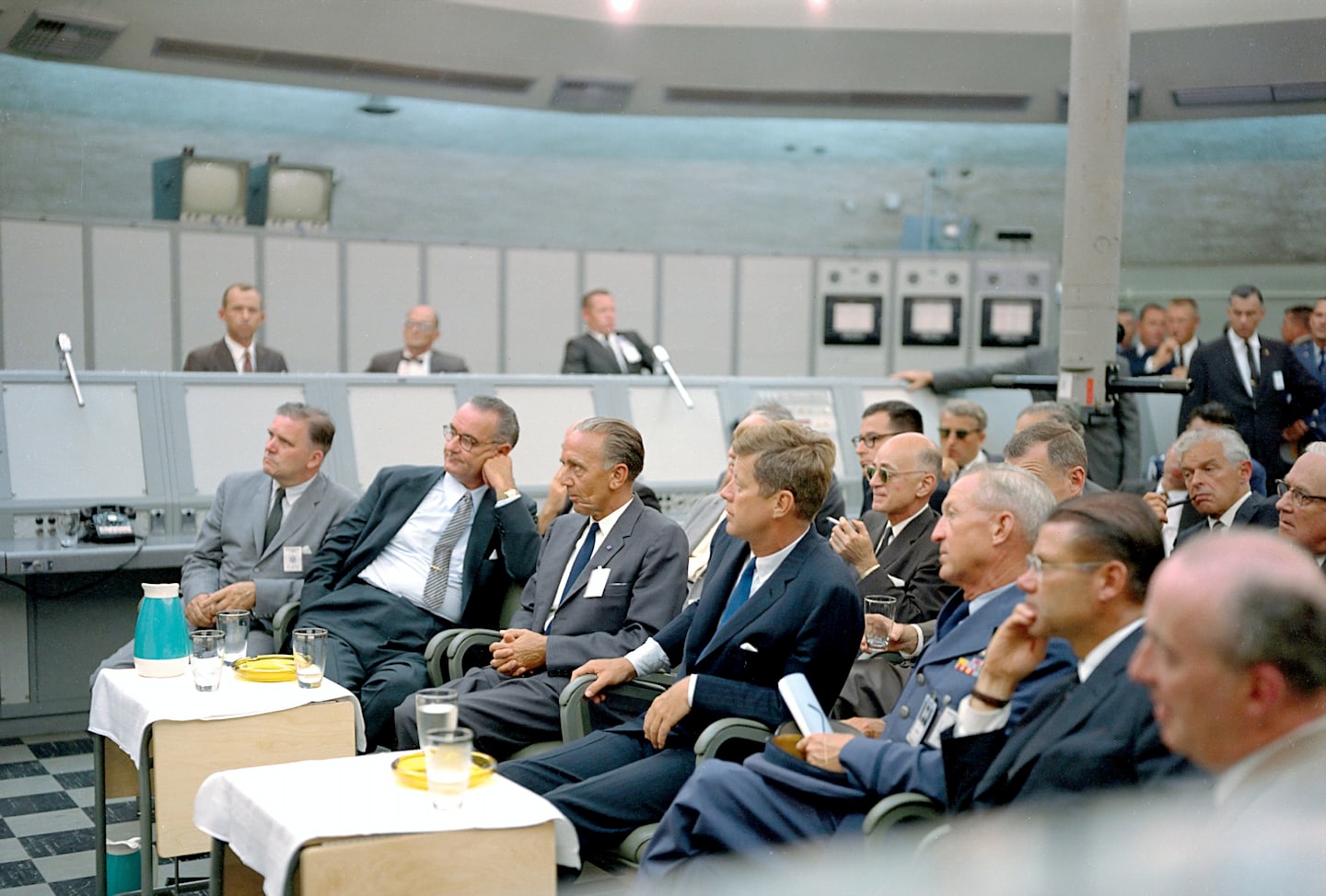
“We choose to go to the moon in this decade and do the other things, not because they are easy, but because they are hard, because that goal will serve to organize and measure the best of our energies and skills, because that challenge is one that we are willing to accept, one we are unwilling to postpone, and one which we intend to win.” – John F. Kennedy
One frontier worth exploring is the final frontier. Asteroid mining, once the realm of science fiction, is now a plausible long-term strategy to secure critical resources and will require technology and investment that is available to us today. With advancements in robotics, propulsion, and space commercialization, the prospect of extracting valuable metals and energy-rich compounds from near-Earth asteroids is gaining traction among private firms and national space agencies.
In the following pages we will explore the feasibility of asteroid mining as a means to meet the United States’ resource needs for the foreseeable future and beyond. We will also examine the technical and economic requirements, outline a realistic timeline for development, and assess the geopolitical implications; particularly the potential for cooperation or competition with other spacefaring powers such as China and Russia. In doing so, we aim to provide a strategic framework for understanding how asteroid mining could reshape global resource politics and American industrial resilience.

The Strategic Importance of Rare Earth Metals and Energy Resources
Rare earth elements (REEs) are a group of 17 chemically similar metals including lanthanum, neodymium, dysprosium, and yttrium. These elements and compounds possess unique magnetic, luminescent, and electrochemical properties. For our purposes all that must be understood is that they are indispensable to modern technologies. Neodymium and samarium are used in high-strength permanent magnets for electric vehicle motors and wind turbines; europium and terbium enable vibrant displays in smartphones and televisions; and yttrium and gadolinium are essential in medical imaging and laser systems. In defense applications, REEs power precision-guided munitions, radar systems, night vision optics, and satellite communications. Rare Earth Elements – A Subset of Critical Minerals | netl.doe.gov
Despite their ubiquity in advanced systems, REEs are notoriously difficult to extract and refine. They rarely occur in concentrated deposits and are often bound within complex mineral matrices, requiring separation processes that are equally industrially intensive and environmentally invasive. Currently, China dominates the global REE supply chain, controlling over 60% of mining and more than 85% of processing capacity. The United States, while possessing some reserves, such as those at Mountain Pass in California, lacks the domestic refining infrastructure and the political will to compete at scale.
This dependency presents a clear and present national security threat. In recent years, China has signaled its willingness to weaponize REE exports during trade disputes, and its strategic posture in the Indo-Pacific further complicates resource access. Beijing’s efforts to expand its exclusive economic zone through artificial island construction in the South China Sea, coupled with its increasing political and military pressure on Taiwan, raise concerns about maritime chokepoints and supply chain vulnerabilities. Should tensions escalate, the U.S. could face restricted access not only to REEs but also to broader semiconductor and energy component markets, many of which are routed through or sourced from East Asia. The recent escalation of a border conflict between China aligned Cambodia and U.S backed Thailand should be a grim reminder of the precariousness of peace and stability in the Far East under the current power balance.
The urgency of securing sound resource pathways is amplified by the global push toward sustainability and clean energy. Climate change, volatile fossil fuel markets, and public demand for environmental accountability have driven a rapid transition toward electrification and renewable energy systems. Federal and state mandates now incentivize the deployment of solar panels, wind farms, electric vehicles, and battery storage; all of which rely heavily on REEs and strategic metals. However, this transition is colliding with infrastructure and technological bottlenecks. Much of the U.S. power grid relies on core infrastructure which has not been updated since the 1960’s and will require massive upgrades to handle distributed electricity generation and storage. Battery recycling remains inefficient and domestic mining proposals face stiff resistance due to environmental degradation, water contamination, and community displacement. Mining operations for lithium in Nevada, for example, have sparked protests over indigenous land rights and ecological impact, and for good reason. Expanding domestic extraction of cobalt or rare earths would likely exacerbate air and water pollution, strain local ecosystems, and reduce quality of life in affected regions. Thus far these tradeoffs have led policymakers to choose sustainability at the cost of strategic autonomy, however the prospect of satisfying both ends is within reach.
In light of a nationwide desire to decouple from China, the U.S. has launched several initiatives aimed at reshoring supply chains and reducing foreign dependence broadly. The Inflation Reduction Act (IRA) provides tax credits and subsidies for domestic clean energy manufacturing, while the CHIPS and Science Act allocates billions to semiconductor production and critical mineral research. The Department of War has also designated REEs as essential to national security, funding stockpiles and pilot processing facilities. So far, these efforts have run up against debilitating structural constraints: permitting delays, limited skilled labor, and fragmented regulatory regimes have slowed progress to a near stand still. Moreover, rising protectionist sentiment which manifests in the forms of tariffs, export controls, and Buy American provisions may inadvertently isolate the U.S. from allied supply chains and global innovation networks, complicating efforts to build a resilient resource base.Asteroid mining offers a radical but increasingly plausible alternative. By tapping into the mineral wealth of near-Earth asteroids, the United States could bypass terrestrial bottlenecks and establish a sovereign-controlled pipeline of critical materials. These celestial bodies contain vast quantities of platinum-group metals, nickel, cobalt, and even water ice; resources that could support both Earth-based industries and in-space manufacturing. The technical and economic feasibility of asteroid mining is evolving rapidly, with private firms and national space agencies laying the groundwork for a new era of extraterrestrial resource extraction. Rare Earth Elements and National Security: A Strategic Perspective – Sustainable Mining Systems
Asteroid Mining: Concept and Resource Potential
With the convergence of space robotics, autonomous navigation, and commercial launch capabilities, the extraction of valuable resources from near-Earth asteroids (NEAs) is now under serious consideration by both private firms and national space agencies. Depending on your familiarity with the subject, navigate this section with discussion on the types of asteroids most suitable for mining, the technical feasibility of extraction, and the potential yield in relation to U.S. industrial and strategic needs.
A. Types of Asteroids and Their Mineral Compositions
Asteroids are broadly categorized into three primary types based on their composition:
- C-type (carbonaceous): These are the most common, comprising about 75% of known asteroids. They are rich in water ice, carbon compounds, and hydrated minerals. While less valuable in terms of metals, their water content makes them ideal for in-space fuel production via electrolysis, supporting long-duration missions and orbital infrastructure.
- S-type (silicaceous): Stony asteroids contain silicates and significant amounts of nickel, cobalt, and iron. They also include trace amounts of platinum-group metals (PGMs), making them attractive for both industrial and commercial extraction.
- M-type (metallic): These rare but highly valuable asteroids are composed largely of nickel-iron alloys and can contain high concentrations of PGMs such as platinum, rhodium, and iridium. Some estimates suggest that a single 500-meter-wide M-type asteroid could contain more platinum than has ever been mined on Earth in human history.
The mineral richness of these bodies far exceeds terrestrial ore grades. For example, platinum-rich asteroids may contain up to 100 grams of platinum per ton; 10 to 20 times higher than the richest Earth-based mines.
B. Scientific and Technical Basis for Mining Near-Earth Asteroids
The feasibility of asteroid mining hinges on several maturing technologies:
- Prospecting and characterization: Missions like NASA’s OSIRIS-REx and Japan’s Hayabusa2 have demonstrated the ability to rendezvous with, sample, and return material from NEAs. These missions provide critical data on surface composition, regolith behavior, and anchoring challenges in microgravity.
- Autonomous robotics and AI: Mining operations in space will rely on robotic systems capable of excavation, sorting, and processing without significant human intervention. Advances in AI-driven navigation and manipulation are enabling more precise and adaptive systems.
- In-situ resource utilization (ISRU): Technologies for extracting and processing materials in space such as microwave sintering, solar thermal extraction, and water electrolysis are under active development. These systems reduce the need to return raw materials to Earth and instead support orbital manufacturing or fuel depots. Depending on the effectiveness of global cooperation efforts, resource processing infrastructure could reasonably be constructed on the Moon assuming no diplomatic hanghaps (more on this later).
- Launch and transport infrastructure: The declining cost of launch, driven by reusable rockets from companies like SpaceX and Blue Origin, is making asteroid missions more economically viable. Small satellite platforms and modular spacecraft architectures further reduce mission complexity and cost.
Challenges such as anchoring in low gravity, dust mitigation, and thermal control remain as obstacles, but similar to the constraints of trans-Atlantic travel in the late 15th century, none are insurmountable. The technical trajectory suggests that scaled mining missions could be feasible within the next two decades which is a timeline that could be shortened even further if political priorities should shift towards a more exploratory stance.
C. Potential Yield Estimates and Relevance to U.S. Industrial Needs
The resource potential of asteroids is staggering. As previously stated, a single 500-meter metallic asteroid could contain:
- Over 175 times the annual global output of platinum
- Tens of thousands of tons of nickel and cobalt
- Millions of liters of water ice, convertible into hydrogen and oxygen fuel
For the United States, this represents a strategic opportunity to secure long-term supplies of critical materials without the environmental and geopolitical costs of terrestrial mining. Platinum-group metals are essential for catalytic converters, fuel cells, and electronics. Nickel and cobalt are foundational to battery technologies, and water ice could support a cis-lunar economy and deep space logistics.
Moreover, asteroid mining could enable a shift from Earth-based extraction to space-based manufacturing, reducing ecological degradation and creating a closed-loop industrial ecosystem in orbit. This aligns with U.S. goals for sustainable space exploration, defense logistics, and industrial competitiveness in the emerging space economy.
Timeline and Technological Milestones
The path to a self sustaining asteroid mining industry is neither linear nor immediate. The process will take decades and its feasibility depends on a phased progression of technological maturation, capital deployment, and institutional coordination. In the short run, spanning roughly 2025 to 2035, —the focus will be on reconnaissance, experimentation, and foundational infrastructure. Robotic prospecting missions, the use of unmanned spacecraft equipped with sensors, drills, and sample-return mechanisms to identify and characterize the composition of NEAs, like NASA’s OSIRIS-REx and JAXA’s Hayabusa2 have already demonstrated the ability to rendezvous with and return samples from near-Earth asteroids. The spacecraft used in these missions performed complex maneuvers to collect critical data on surface composition, regolith cohesion, and anchoring dynamics in microgravity. All of these insights will prove to be foundational to designing future mining platforms.
In parallel, orbital infrastructure must be developed to support sustained operations beyond Earth. This includes three key components:
- Orbital fuel depots are storage stations in space that hold propellants such as liquid hydrogen and oxygen. These depots allow spacecraft to refuel without returning to Earth, enabling longer missions and reducing launch mass. Water ice extracted from asteroids or the lunar surface can be electrolyzed into fuel, creating a closed-loop system for deep space logistics.
- Satellite servicing stations are orbital platforms equipped with robotic arms and diagnostic tools that can repair, refuel, or upgrade satellites. These stations extend the lifespan of space assets and reduce the need for costly replacements. In the context of asteroid mining, they could also service mining drones and transport vehicles.
- Small-scale manufacturing platforms in low Earth orbit and cis-lunar space are experimental factories that use 3D printing and additive manufacturing to produce components in microgravity. These platforms could eventually process asteroid-derived metals into usable parts for spacecraft, habitats, or industrial equipment, bypassing Earth-based supply chains.
Concurrently, private firms such as TransAstra and AstroForge are developing autonomous mining platforms and orbital processing modules, leveraging AI-driven navigation and manipulation systems to operate in the harsh and unpredictable conditions of space. These efforts are supported by a growing ecosystem of venture capital, defense innovation funding, and public-private partnerships modeled on DARPA’s high-risk, high-reward approach.
The cost of scaling these operations is substantial. A single robotic prospecting mission can range from $500 million to $1 billion, depending on complexity and return capabilities. Establishing orbital infrastructure—fuel depots, servicing stations, and manufacturing platforms—could require tens of billions in cumulative investment over the next two decades. However, these costs are declining due to reusable launch systems (e.g., SpaceX’s Falcon 9 and Starship), modular spacecraft designs, and increasing private sector participation. Publicly funded contracts, private partnerships, defense innovation funding, and sovereign investment vehicles will be essential to sustain this phase. The United States will also need to refine its domestic space resource laws such as the Space Resource Exploration and Utilization Act and push for international norms through the Artemis Accords and UN COPUOS. Clarifying ownership rights, liability regimes, and environmental standards will attract investment and avoid future conflicts.
A particularly promising avenue for cost reduction and scalability is the development of autonomous manufacturies on the Moon. The Moon’s lower gravity, lack of atmosphere to hamper repeated launches and landings, and proximity to Earth make it an ideal staging ground for space-based industry. Lunar regolith contains oxygen, silicon, and metals that can be processed into construction materials. By building robotic factories on the lunar surface, the U.S. could produce infrastructure components such as fuel tanks, satellite frames, and mining equipment without the need for repeated launches from Earth. This would dramatically reduce costs and enable economies of scale. Moreover, lunar-based manufacturing could support asteroid mining operations by supplying tools, habitats, and fuel depots directly from space, creating a vertically integrated industrial ecosystem.
In the next phase of expansion, between 2035 and 2050, asteroid mining could transition from experimental to pilot-scale operations. Robotic platforms may begin limited excavation and processing of asteroid material, targeting small bodies with favorable orbits and compositions. These missions will likely focus on hydrated C-type asteroids for water extraction and S-type asteroids for nickel, cobalt, and trace platinum-group metals. In-space refining technologies like solar thermal extraction and microwave sintering will be tested to convert raw regolith into usable fuel and structural materials. Water ice, once extracted, can be split into hydrogen and oxygen to power spacecraft or support lunar bases. Meanwhile, resource return logistics will evolve, with low-cost reentry capsules and orbital transfer vehicles enabling the delivery of refined materials to Earth or to high-value orbital platforms. Integration into U.S. supply chains will require coordination across agencies, including the Department of Commerce, Department of Energy, and Department of War, to ensure secure handling, certification, and strategic deployment of space-derived resources.
By 2050 and beyond, asteroid mining could mature into a scalable industry with profound implications for U.S. strategic resource autonomy. Multiple mining platforms may operate across a network of near-Earth asteroids, conducting excavation, processing, and transport with minimal human oversight. The materials extracted could support a closed-loop orbital manufacturing system, enabling the construction of satellites, habitats, and infrastructure directly in space. This would dramatically reduce launch costs and environmental impact, while enhancing the resilience of American spacing operations. Sovereign-controlled supply chains for critical materials would mitigate geopolitical risk and insulate the U.S. from terrestrial resource shocks. Moreover, leadership in asteroid mining would confer diplomatic and economic leverage in space governance, trade negotiations, and alliance-building, positioning Americans as the stewards of the next industrial frontier.
Capital Investment and Economic Feasibility
Asteroid mining represents one of the most capital-intensive ventures in the history of industrial development. Unlike terrestrial extraction, which benefits from centuries of infrastructure and regulatory precedent, space-based resource acquisition demands the creation of entirely new systems; from robotic miners and orbital refineries to interplanetary logistics and legal frameworks. Yet despite its daunting upfront costs, asteroid mining may offer long-term strategic and economic returns that justify its pursuit, particularly for a resource-hungry and geopolitically exposed nation like the United States. The American propensity to manifest destiny does not hurt in this respect either.
In the near term, the cost of a single robotic prospecting mission ranges from $500 million to $1 billion, depending on its complexity, duration, and sample return capabilities. These missions require precision navigation, autonomous excavation tools, and robust communication systems capable of operating millions of miles from Earth. The development of orbital infrastructure as previously discussed adds further layers of expense. Establishing a fuel depot in low Earth orbit, for example, could cost between $2 billion and $5 billion, factoring in launch costs, cryogenic storage systems, and refueling interfaces. Satellite servicing platforms, equipped with robotic arms and diagnostic modules, may cost $500 million to $1.5 billion per unit, while largely experimental orbital manufacturing platforms could require $1 billion or more in R&D and deployment alone.
These figures escalate when considering lunar-based manufacturies. Building autonomous factories on the Moon would require not only robotic construction systems and power generation (likely solar arrays), but also excavation and processing units capable of converting lunar regolith into usable materials. Estimates suggest that a lunar industrial base capable of producing structural components and fuel tanks could cost upwards of $20 billion over two decades, though this figure could decline with modular designs and international cost-sharing. The strategic advantage, however, cannot be overstated. Manufacturing in space avoids the prohibitive cost of launching heavy materials from Earth, which currently ranges from $1,000 to $5,000 per kilogram depending on the launch system. By shifting production to the Moon, the U.S. could achieve logistical efficiency that terrestrial systems cannot match.
The economic feasibility of asteroid mining hinges on several interrelated factors.
- First, commodity prices must remain high enough to justify the cost of extraction and transport. Platinum-group metals, for instance, command prices of $30,000 to $50,000 per kilogram, making them attractive targets.
- Second, launch costs must continue to decline. Reusable rockets, rideshare missions, and miniaturized payloads are already driving down per-kilogram costs, and further innovation could make asteroid missions more affordable.
- Third, regulatory clarity and property rights must be established to attract private investment. Without legal assurance of resource ownership and liability protections, firms will be reluctant to commit capital.
Public-private partnerships will be essential. NASA’s Commercial Lunar Payload Services (CLPS) model could be adapted to asteroid mining. Defense agencies may also play a role, funding dual-use technologies that support both national security and commercial extraction. Sovereign wealth funds, export-import banks, and multilateral development institutions could provide long-term financing, especially if asteroid mining is framed as a strategic infrastructure investment akin to railroads or nuclear power.
The return on investment, while delayed, could be transformative. Adjusted for inflation, a single metallic asteroid may contain quadrillions of dollars in platinum, nickel, and cobalt. More broadly, asteroid mining could provide a stable, sovereign-controlled pipeline of critical materials for decades to come.
Legal and Regulatory Frameworks
The legal architecture governing asteroid mining is nascent, fragmented, and increasingly contested. As the technical feasibility of space resource extraction advances, the absence of a coherent and enforceable legal regime poses a significant barrier to investment, coordination, and long-term stability. For America to lead in this domain, it must navigate a complex interplay of domestic legislation, international treaties, and emerging norms in order to balance national interests with global legitimacy.
At the heart of the current legal landscape is the 1967 Outer Space Treaty (OST), ratified by over 110 countries including the United States, Russia, and China. The OST establishes that outer space, including the Moon and other celestial bodies, is the “province of all mankind” and shall not be subject to national appropriation by claim of sovereignty, use, occupation, or any other means. While this language prohibits territorial claims, it does not explicitly forbid the extraction and private ownership of resources. This ambiguity has led to divergent interpretations: some states argue that mining constitutes appropriation, while others, most notably the U.S., contend that resource extraction is analogous to fishing in international waters and therefore permissible under international law.
To clarify its position, the United States enacted the Commercial Space Launch Competitiveness Act in 2015, which grants U.S. citizens and companies the right to own and sell resources extracted from celestial bodies. This was followed by Executive Order 13914 in 2020, which reaffirmed the U.S. stance that space is not a global commons and encouraged international support for commercial space resource utilization. These measures provide a domestic legal foundation for asteroid mining, but they do not resolve the broader issue of international recognition and enforcement.
In an effort to solve this lapse, America has spearheaded the Artemis Accords; a set of bilateral agreements that outline principles for responsible behavior in space, including resource extraction, transparency, interoperability, and conflict avoidance. As of 2025, over 30 countries have signed the Accords, including key allies such as Japan, the United Kingdom, and Australia. However, major space powers like Russia and China have rejected the framework, viewing it as a U.S.-led attempt to establish de facto control over lunar and asteroid resources. Instead, they have advocated for a multilateral approach under the auspices of the United Nations Committee on the Peaceful Uses of Outer Space (COPUOS), which remains slow-moving and consensus-driven.
This divergence showcases the risk of legal fragmentation and geopolitical tension. Without a universally accepted framework, disputes over resource claims, orbital slots, and operational safety could escalate into diplomatic or even kinetic conflict. Moreover, the lack of clear liability standards for environmental damage, debris generation, or mission interference creates uncertainty for insurers, investors, and regulators.
To mitigate these risks, the United States should pursue a dual-track strategy. Domestically, it must continue to refine its legal regime to support commercial certainty; establishing licensing procedures, safety standards, and dispute resolution mechanisms through agencies such as the FAA Office of Commercial Space Transportation and the Department of Commerce’s Office of Space Commerce. Internationally, America should lead efforts to develop interoperable norms and confidence-building measures, potentially through a new multilateral instrument that builds on the Artemis Accords while accommodating broader participation. This could include provisions for resource registration, environmental impact assessments, and emergency coordination protocols.
Ultimately, the legal framework for asteroid mining must evolve from permissive ambiguity to structured legitimacy. Without it, the promise of space-based resource security will remain vulnerable to legal contestation and strategic instability. With it, the United States can anchor its leadership in a rules-based space economy—one that balances innovation, sovereignty, and shared stewardship of the final frontier.
Geopolitical Dynamics: Cooperation vs. Competition
Asteroid mining is not merely a technological or economic endeavor—it is a geopolitical inflection point. As space becomes a contested domain, the ability to access and control extraterrestrial resources will shape the balance of power among great nations. The United States, China, and Russia are all investing in space infrastructure, legal frameworks, and strategic narratives that position asteroid mining as a lever of influence, autonomy, and deterrence. Whether this frontier evolves through cooperation or competition will depend on how these powers navigate overlapping ambitions, legal ambiguities, and strategic mistrust.
China has emerged as the most assertive challenger to U.S. space leadership. Through its Tiangong space station, Chang’e lunar missions, and planned asteroid sample return missions, Beijing is building a vertically integrated space program with military, commercial, and diplomatic dimensions. The China National Space Administration (CNSA) has signaled interest in asteroid resource extraction, and Chinese state-backed firms are exploring robotic mining technologies. More significantly, China has rejected the Artemis Accords and instead advocates for a multilateral governance model under the United Nations, positioning itself as a counterweight to perceived U.S. unilateralism. This divergence reflects a broader strategic posture. China’s efforts to expand its exclusive economic zone through artificial island construction in the South China Sea, its increasing pressure on Taiwan, and its Belt and Road Space Information Corridor all suggest a desire to shape global norms and infrastructure in its favor.
Russia, while less technologically advanced in commercial space, remains a formidable actor through its legacy capabilities, strategic partnerships, and veto power in international forums. Roscosmos has expressed interest in lunar and asteroid missions, and Russia has aligned with China in opposing the Artemis framework. Moscow views space as a domain of strategic parity and deterrence, and its cooperation with China could evolve into a joint resource extraction initiative especially if Western sanctions continue to isolate its terrestrial economy. The risk of a Sino-Russian space bloc, operating outside U.S.-led norms, raises concerns about resource militarization, orbital congestion, and norm fragmentation.
For the United States, the challenge is twofold: to maintain technological and operational superiority while building a coalition of like-minded nations that support transparent, interoperable, and peaceful resource utilization. The Artemis Accords are a step in this direction, but they must be backed by tangible benefits—access to infrastructure, data sharing, and joint missions. The U.S. should also engage middle space powers such as India, Brazil, and the UAE, offering capacity-building and commercial partnerships that expand the coalition and dilute adversarial influence.
Strategically, asteroid mining offers the U.S. a chance to reshape global resource politics. By securing sovereign-controlled access to platinum-group metals, battery materials, and fuel precursors, the U.S. can reduce dependence on terrestrial supply chains dominated by rivals. This would enhance economic resilience, defense readiness, and diplomatic leverage. However, unilateral dominance risks provoking countermeasures and undermining legitimacy. A cooperative model where resource zones are registered, environmental impacts are assessed, and emergency protocols are shared could balance strategic advantage with global stability.
In other words, asteroid mining sits at the intersection of space diplomacy, industrial policy, and strategic deterrence. America must proceed with the posture of fortifying a new pillar of our grand strategy; one that requires investment, alliances, and principled leadership in shaping the rules of the next frontier.
Strategic Implications of U.S.–Russia–EU Cooperation under the Artemis Framework
If the United States were to successfully bring Russia into the fold of the Artemis Accords, it would mark a significant shift in the geopolitical landscape of space governance—transforming asteroid mining from a potential arena of great power competition into a platform for strategic stabilization and multilateral innovation. Such a move would carry profound implications across diplomatic, industrial, and security domains.
First, it would signal a thaw in U.S.–Russia relations in a domain that has historically served as a conduit for détente. Despite terrestrial tensions, space cooperation has endured through joint operations on the International Space Station (ISS), shared launch infrastructure, and scientific collaboration. Integrating Russia into the Artemis framework would revive this legacy, offering a rules-based alternative to zero-sum competition and reducing the risk of parallel legal regimes that fragment space governance. It would also strengthen the legitimacy of the Accords by demonstrating their capacity to accommodate diverse strategic interests, potentially encouraging other non-signatory states—such as India or Brazil—to join.
Second, cooperation with Russia and the European Union would unlock complementary capabilities that accelerate asteroid mining development. Russia’s expertise in propulsion systems, long-duration spaceflight, and heavy-lift launch vehicles could be paired with U.S. robotics, AI, and commercial innovation. The European Space Agency (ESA), with its precision instrumentation, regulatory sophistication, and diplomatic reach, could serve as a bridge between U.S. and Russian interests—facilitating joint missions, shared infrastructure, and interoperable standards. A trilateral partnership could pool resources for orbital fuel depots, lunar manufacturies, and asteroid prospecting missions, reducing duplication and spreading risk.
Third, such cooperation would mitigate the risk of resource militarization and orbital congestion. By establishing shared protocols for resource registration, environmental impact assessments, and emergency coordination, the U.S., Russia, and EU could set global norms that preempt conflict and ensure safe, sustainable operations. This would be particularly important as mining platforms proliferate and orbital traffic intensifies. A joint governance model could also include dispute resolution mechanisms, liability frameworks, and transparency requirements—building trust and reducing the likelihood of miscalculation.
However, integrating Russia into the Artemis Accords would require careful diplomatic choreography. It would necessitate concessions on language, enforcement mechanisms, and dispute resolution processes to accommodate Russian legal and strategic preferences. It would also require balancing cooperation with accountability; ensuring that Russia’s participation does not undermine human rights, environmental standards, or non-proliferation principles embedded in the Accords. The U.S. would need to coordinate closely with European allies to maintain cohesion and prevent internal fragmentation.
If successful, this trilateral alignment could reshape the future of space governance. It would transform asteroid mining from a competitive scramble into a cooperative enterprise anchored in shared norms, pooled capabilities, and strategic transparency. It would also reinforce the United States’ leadership not through diplomacy and demonstrate that principled engagement remains the most powerful tool of statecraft.
Alternate Scenario 1: Multilateral Governance Through a New UN-Led Framework
In this scenario, the United States, China, Russia, and other spacefaring nations agree to negotiate a new multilateral treaty under the auspices of the United Nations Committee on the Peaceful Uses of Outer Space (COPUOS). This framework would build on the Outer Space Treaty but update it to reflect modern capabilities and commercial realities. Key provisions might include:
- A global registry for resource claims and mining zones
- Environmental impact protocols for asteroid and lunar operations
- Dispute resolution mechanisms and liability standards
- Provisions for equitable access and technology transfer to developing nations
Such a framework would reduce legal fragmentation and enhance legitimacy, especially among non-aligned states. It could also prevent resource militarization and orbital congestion by establishing shared norms and emergency coordination protocols. However, the consensus-driven nature of UN negotiations may slow progress and dilute enforcement. The U.S. would need to balance its leadership role with diplomatic flexibility, ensuring that commercial interests and strategic autonomy are preserved while fostering inclusive governance.
Strategically, this scenario positions asteroid mining as a cooperative enterprise akin to the Antarctic Treaty System or the Law of the Sea. It would require the U.S. to invest in diplomatic capacity, norm entrepreneurship, and coalition-building across regions and sectors.
Scenario 2: Strategic Rivalry and Parallel Legal Regimes
In a more adversarial scenario, the United States and its allies continue to expand the Artemis Accords while China and Russia formalize a parallel governance framework, perhaps through a Sino-Russian space pact or a BRICS-led consortium. Each bloc develops its own resource registration system, operational standards, and dispute resolution mechanisms. Mining missions are launched independently, with minimal coordination or transparency.
This bifurcation could lead to overlapping claims, orbital congestion, and increased risk of miscalculation. It may also trigger a race for strategic chokepoints such as lunar poles, Lagrange points, or high-value NEAs where proximity to resources confers logistical and economic advantage. In the absence of shared protocols, incidents involving satellite interference, debris generation, or contested landings could escalate into diplomatic or kinetic conflict.
For the U.S., this scenario demands robust deterrence and resilience. It would require investment in space situational awareness, rapid response capabilities, and hardened infrastructure. It would also necessitate tighter coordination with allies through NATO, the Quad, or Five Eyes to ensure interoperability and collective defense in space. While this path preserves strategic autonomy, it risks undermining global stability and fragmenting the space economy.
Scenario 3: Expanded Alliance Model with Emerging Space Powers
In a third scenario, the United States expands the Artemis Accords into a broader alliance framework that includes emerging space powers such as India, Brazil, South Africa, the UAE, and ASEAN members. This coalition would be operational, economic, and diplomatic. Members participate in joint missions, share infrastructure, and co-develop technologies. Resource zones are allocated through transparent bidding or cooperative ventures, and profits are shared through sovereign wealth funds or development banks.
This model would enhance legitimacy and dilute adversarial influence but it also spreads risk and cost over more interconnected economies, making asteroid mining more economically viable. By offering capacity-building, data access, and commercial opportunities, the U.S. can attract partners who might otherwise align with China or remain neutral. The alliance could also serve as a platform for norm development, crisis coordination, and strategic signaling.
For America, this scenario reinforces leadership through inclusion and innovation. It would require diplomatic agility, commercial openness, and a willingness to share benefits. It also aligns with broader strategic goals such as countering authoritarian influence, promoting sustainable development, and securing critical supply chains.
Conclusion: Mining the Future
Asteroid mining stands at the confluence of technological ambition, strategic necessity, and ethical responsibility. For the United States, it offers a long-term pathway to secure critical resources—rare earth metals, platinum-group elements, and energy precursors—that underpin national defense, industrial competitiveness, and the clean energy transition. In an era marked by geopolitical volatility, supply chain fragility, and environmental constraint, the ability to access sovereign-controlled materials beyond Earth is imperative.
The feasibility of asteroid mining is no longer speculative. Robotic prospecting missions have demonstrated the technical capacity to reach, sample, and return material from near-Earth asteroids. Orbital infrastructure is advancing rapidly, supported by declining launch costs and private sector innovation. Lunar manufacturies offer a scalable alternative to Earth-based logistics, enabling economies of scale and reducing ecological impact. While capital investment requirements are steep, the strategic return is equally profound.
Yet the promise of asteroid mining is inseparable from its risks. Legal ambiguity, environmental hazards, and equity concerns must be addressed through robust governance frameworks. The United States should lead in shaping these norms through domestic regulation, international diplomacy, and inclusive alliance-building. Whether through expanded Artemis partnerships, UN-led treaties, or trilateral cooperation with Russia and the EU, the goal must be a rules-based space economy that balances innovation with stewardship.
Asteroid mining is not a panacea, nor is it a short-term solution. It is one that demands vision, patience, and principled leadership. If pursued wisely, it can transform the United States from a terrestrial power navigating scarcity into a spacefaring nation securing abundance. In doing so, it will not only fill the resource gaps of today, but lay the foundation for a more resilient and sustainable tomorrow.
Leave a Reply